Diabetic Foot Care


Sensitive Feet

Monday, September 28th, 2009

What Causes Sensitive Feet?

In each of your feet and both of your ankles, there are over 20 different bones, over 30 different joints and hundreds of muscles, tendons and ligaments.  Is it any wonder that foot pain is common?
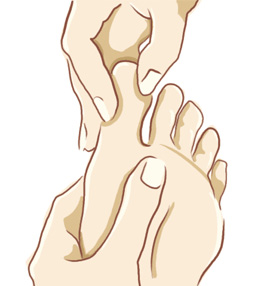
sensitive feet

The feet are responsible for carrying around the body’s mass.  The weight of the body should be balanced between the two feet, but many people have one leg longer than the other, feet that angle out or in, flat feet, high arches and other problems that cause an imbalance in weight distribution. 

Is it any wonder that injury among athletes and the general public is so common?

Many serious conditions have a negative effect on the health of the feet.  Diabetes is one example.  Diabetics must take great care to avoid injury, keep their feet clean and wear appropriate shoes.  Otherwise, serious infections can occur.

As the feet are the support systems for the rest of the lower body, if they are not properly cared for, other problems can appear.  Those include pain in the knees, hips and lower back.  So, caring for your feet should be of utmost importance to you.

How to Treat Sensitive Feet

Number one is to treat them gently and buy products designed specifically for any condition that you suffer from.  For example, if you suffer from diabetes, buy socks and shoes specifically designed for diabetics.

Since seams can cause irritation, buy seam-free socks.  They may cost a little more initially, but they last longer and for the comfort, they are worth it. 

Make sure that any shoes you wear are sensibly designed.  If you must wear dress shoes on a regular basis and you have sensitive feet, switch off to low-heeled, softer designs during breaks.  Ideally, you should limit wearing high heels for special occasions, if at all.

Silicone insoles are the latest thing for preventing sore, tired and aching feet.  Foot Smart’s 3-D men’s and women’s silicone insoles are recommended by podiatrists.  They cushion the feet, without causing excess sweating or allergic reactions.

Consider buying “Wellness” shoes, the next time that you are ready for a new pair.  Wellness shoes have been designed using the latest scientific knowledge of how the feet and lower body work together.  They prevent rolling and improve posture.  They can even help tone your legs, particularly your calf muscles, which will help to prevent injury to the Achilles tendon and other parts of the foot and leg. 

There are many solutions for sensitive feet.  Don’t suffer another day.

  • Share/Bookmark

Diabetic Foot Care & Diabetic Neuropathy

Monday, September 7th, 2009

Diabetic foot care encompasses steps that are aimed at preventing infection and relieving the pain associated with diabetic neuropathy. 

What is Diabetic Neuropathy?

A neuropathy is a disorder that affects the nervous system.  A diabetic neuropathy can affect nearly any part of the body, but the feet are typically affected first. 

Neuropathies do not affect the central nervous system, which includes the brain and spinal column, but the peripheral nerves which transmit signals to the brain, via the spinal column.  In diabetic neuropathy, the nerves are not functioning properly.  So, the signals that are transmitted to the brain are abnormal.
diabetic foot care

What are the Symptoms of Diabetic Neuropathy?

The symptoms of diabetic neuropathy vary, depending on which nerves or which area of the body are affected.  Since we are focusing here on diabetic foot care, the symptoms may include:

It is important to recognize the symptoms and spend extra time inspecting the feet, checking for injury or infection on a daily basis.  Infections can go unnoticed leading to ulceration and gangrene.  In some cases, partial or total amputation is required to prevent blood poisoning. 

What Causes Diabetic Neuropathy?

High glucose or blood sugar levels over a long period of time cause damage to the blood vessels that supply the nerve endings, throughout the body.  Since, the blood vessels and the nerves in the hands and feet are some of the smallest; those are the areas of the body that are affected first. 

The nerves and the blood vessels depend on each other.  The nerves control dilation and constriction of the blood vessels.  In order to function properly, the nerves need adequate blood flow.  If blood flow is reduced, the nerves may cause constriction of the blood vessels, which further reduces the blood flow.  Eventually, the nerves can simply die, due to lack of oxygen and nourishment from the blood.  When the nerves die, the blood supply to the toes and other extremities is reduced even further.

diabetic foot nerves
So, the condition may become progressively worse, even when blood sugar levels are kept under control with medication and proper diet.  Doctors theorize that in type II or adult-onset diabetes, the earliest damage may occur before a person even realizes that they have diabetes. 

How Is Diabetic Neuropathy Treated?

Prescription drugs, such as anti-depressants or anticonvulsants may be prescribed, but there are no treatments, currently, that will reverse neuropathies.  Tight blood glucose control is essential to help prevent the conditioning from progressing rapidly.  Effective diabetic foot care helps to relieve the pain and prevent the most serious complications.

What Are the Essential Steps for Diabetic Foot Care?

1.  Inspect your feet daily.  Use a mirror if necessary to see the bottoms of your feet or the area between your toes. 

2.  Any sores or blisters should be treated with an antibacterial ointment and covered with a bandage or treated by a physician.  Do not attempt to remove corns, calluses or ingrown toenails at home.  See a podiatrist in the case of swelling, increased redness, pain or signs of infection.

3.  Use a good moisturizer or lotion on heels and feet, but not between the toes.  The area between the toes is prone to dampness, which creates an environment for fungal infections.  There are a number of different moisturizers to choose from.  Each has different benefits, depending on the ingredients.  Lotions recommended by podiatrists include:

4.  Never go barefoot.  A splinter or tiny scrape can lead to a serious infection, because of reduced sensation and because of reduced blood flow. 

5.  Wash your feet daily with warm (not hot) soapy water.  Do not use a heating pad or hot water bottle to warm cold feet, a burn could occur.

6.  Trim your toenails carefully and cut them straight across the top, to avoid an ingrown nail.

5.  Wear seamless socks that do not restrict circulation.  Choose orthopedic or therapeutic footwear designed specifically for diabetic foot care. 

There are a number of different orthopedic shoe styles to choose from, as well as seamless socks designed specifically for diabetic feet.  They will not restrict circulation, but resist sagging and bunching.

Another good alternative for diabetic neuropathy and diabetic foot care, in general, is the Arch Craft customized insole, which can be worn with your own shoes.  They cradle your feet in comfort, eliminating pressure points and pain, without restricting circulation.

  • Share/Bookmark

Custom Orthotics

Sunday, September 6th, 2009

What Are Custom Orthotics?

Orthotics is actually the medical field relating to the design, development, manufacturer or fitting of devices designed to provide additional support or correct imbalances in the muscles or bones of the body.  But, the term “orthotics” is also used to refer to the devices created by those professionals. 

Custom orthotics are devices that are sized to fit a specific person.  When it comes to the feet and lower body, appliances that fall under the heading of custom orthotics include shoes, braces and insoles of various types. 

What Are Custom Orthotics Used For?

Insoles may be used to:

Braces may be used to provide additional support for the knee or ankle.  In some cases, the braces are therapeutic; used to provide compression or cold therapy.  Special braces for the toes are used to separate and straighten.

Therapeutic or orthopedic shoes may be used as an alternative to insoles.  They can provide many of the same benefits.

Who Could Benefit from Custom Orthotics?

Many people can and do benefit from custom orthotics.  Practically anyone could benefit from an insole, but there are specific conditions that can be relieved with an orthotic device. 

Custom orthotics may also be beneficial for arch, ball of foot, heel, ankle, knee, hip or back pain.  Healthy pain-free feet provide the right foundation for a healthy pain-free lower body.

  • Share/Bookmark